
Former Head of School Mr Phillip Heath AM played a key role in championing the establishment of Gawura School in 2007. The following section was written by him on the occasion of Gawura School’s 10th anniversary.

Gawura School’s story begins on Gadigal land, acknowledging the cultural history, knowledge systems and enduring significance of the lands on which the School operates. Gawura School respects the lived stories, experiences and aspirations of its First Nations students, reflecting the cultural diversity of families whose ancestral connections extend across Traditional lands throughout Australia.
Origins
Embedded in the spirit of the age, 18th century settlers viewed the acquisition of land as a natural right and a matter of survival. Respectful attitudes for the original inhabitants were undermined by generations of conflict, the heart of which was the fundamental failure of peoples to reconcile in the context of incontestable rights to land and resources.
The four great strengths of traditional Indigenous cultural identity in Australia – land, lore, language and community – were demolished with virtually no awareness, no understanding or regard for the impact on the original inhabitants. In their place, European notions of ownership, economics, authority, power, religion and education rose up through repeated cycles of government policy, some of which is deeply shameful in our history.
The consequences of this massive disruption remained pervasive, with First Nations peoples over-represented in virtually every measure of social morbidity. Regarding education this included attendance rates, achievement scores in NAPLAN, retention rates and many other measures. By 2005, attempts to redress these difficulties had been stubbornly unsuccessful, despite the fact that separately every state and territory government had commissioned reports into Indigenous education and closing the gap in performance with non-Indigenous students. It was in such a context that the concept of Gawura School was formed.
The role of St Andrew’s Cathedral School
During the previous decade, St Andrew’s Cathedral School had passed from enrolment uncertainty to relative strength and confidence. Yet, only a short distance from the School is where the Eora warrior Pemulwuy mounted his early resistance to British settlers. The heartland of urban First Nations identity in Australia is located at Redfern, a mere two railway stops from Sydney’s Town Hall – the stepping off point for St Andrew’s Cathedral School. The tragedy of the Redfern Riots in 2004 brought the compounding grief of our failures in reconciliation to the front of our mind.
As a Christian school, and with all the blessings we enjoyed, we had to consider: What shall we render unto the Lord for His goodness to us?
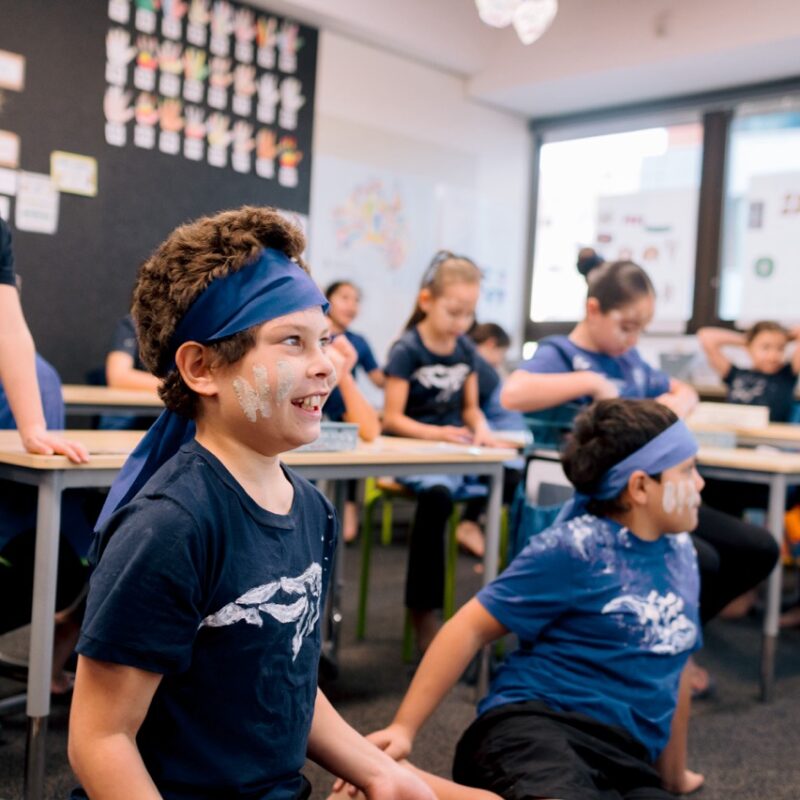
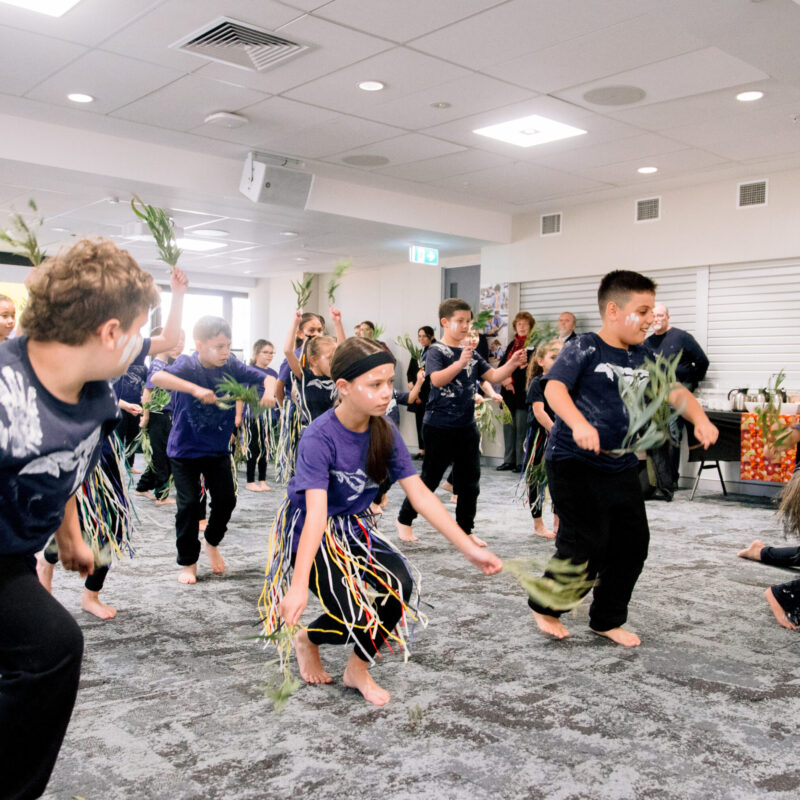
Education of young people provides access to the future. This is an established truth. Education that respectfully engages the community from which a child is drawn offers a powerful way to strengthen the lasting impact of educational experiences. This also is an established truth.
Founding story and evolution
Despite the doubts and the objections of many, Gawura School was born on the eve of ANZAC Day, 2007, and the Gawura School founders were determined to make a positive, practical contribution to the lives of First Nations families in our midst, for this generation and the next.
Pastor Ray described the enormity of the undertaking as: “Like pushing a wheelbarrow full of people across a tightrope — and we made it across.”
Pastor Ray Minniecon shared that it was the educational system that needed to change, not the child, leading to the development of a new way of learning: small classes, cultural immersion, a care and understanding for the individual and wrap-around support for families. This philosophy fundamentally shaped Gawura School’s approach. It rejected a deficit model of First Nations education and instead sought a new approach, grounded in respect for culture, identity, strength, community and aspiration.
From the beginning, a parents’ First Nation’s advisory committee was formed to ensure First Nations voice was embedded in school decisions.
Pastor Ray Minniecon and Aunty Sharon Minniecon were instrumental in shaping the School’s cultural vision and community relationships. Their commitment to First Nations education and restoration continues to influence direction. Our first community event was to join the Coloured Diggers March through the streets of Redfern and gather with the community to listen to stories of Aboriginal enlisted military service personnel and their subsequent rejection upon return.

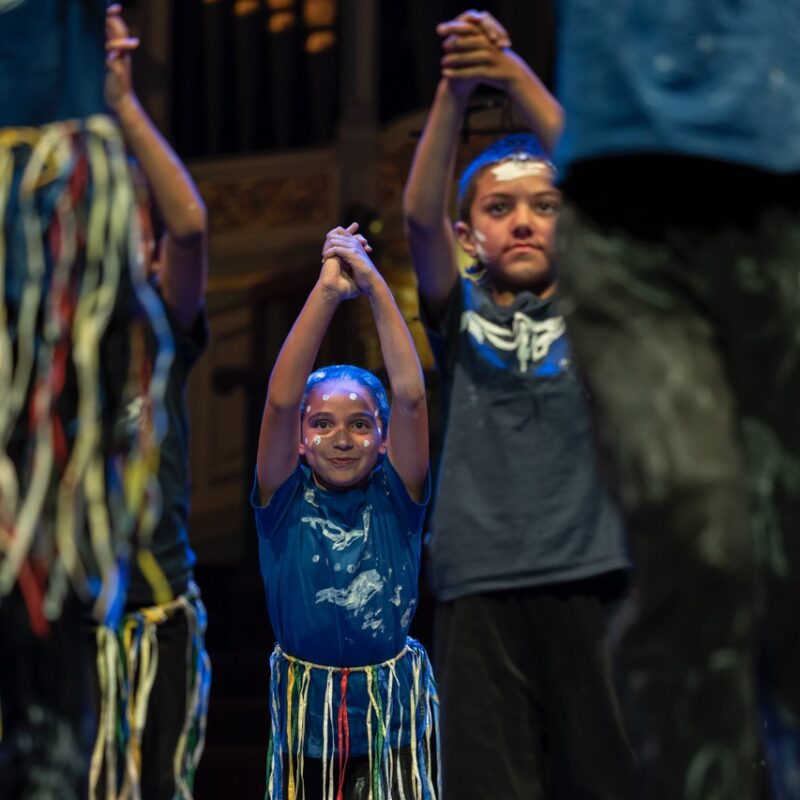
A vision for a hope-filled and just future
Early challenges included funding, ensuring cultural education and safety, and changing perceptions of Aboriginal and Torres Islander children within an independent school environment. Trust was, and continues to be, built through relationships, cultural respect and consistent engagement with families and communities.
There is pain in the past of our nation, to be sure. But there was a hole in our future, and Gawura School was part of this great quest to make a positive contribution to the lives of Indigenous families in our midst, for this generation and the next.
Every student is supported through scholarship funding. Since 2007, Gawura School, together with the Gawura Scholarship Fund, has helped secure the educational futures of many First Nations students, opening the door to the remarkable opportunities offered at both Gawura School and St Andrew’s Cathedral School.
Location
The location proved difficult to agree on. Initially the intention of the founders was to house the School in ‘The Block’ in Redfern, an inner-city suburb with a significant residential presence of Aboriginal and Torres Strait Islanders. However, there were a host of obstacles to this move. Ultimately because no agreement on a site could be achieved, it was decided to start the School at St Andrew’s Cathedral School.
In hindsight, this proved to be a positive and meaningful move, given that George Street, the main street of Sydney, located at the front of St Andrew’s Cathedral School, is laid out on a track forged by the Gadigal people of the Eora Nation. Moreover, Camp Cove, at the end of George Street, was the site of the original and subsequently tragic interface between white settlement and First Nations people.
Gawura School’s commitment to truth telling acknowledges this tragic history. Finally, a First Nations school in the centre of Sydney is demographically appropriate, with one of the largest concentrations of First Nations peoples located in the inner-city suburbs of Sydney.
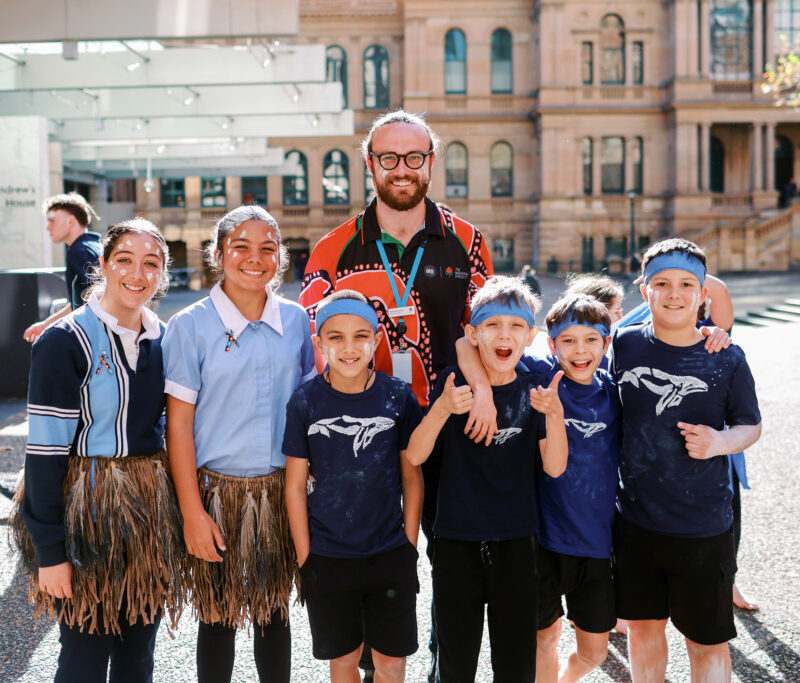
The name ‘Gawura’, meaning whale in the language of the local Gadigal people, was chosen for the School by Co-Founder, Sharon Minniecon, as a name deeply connected to culture, identity and purpose.
Naming
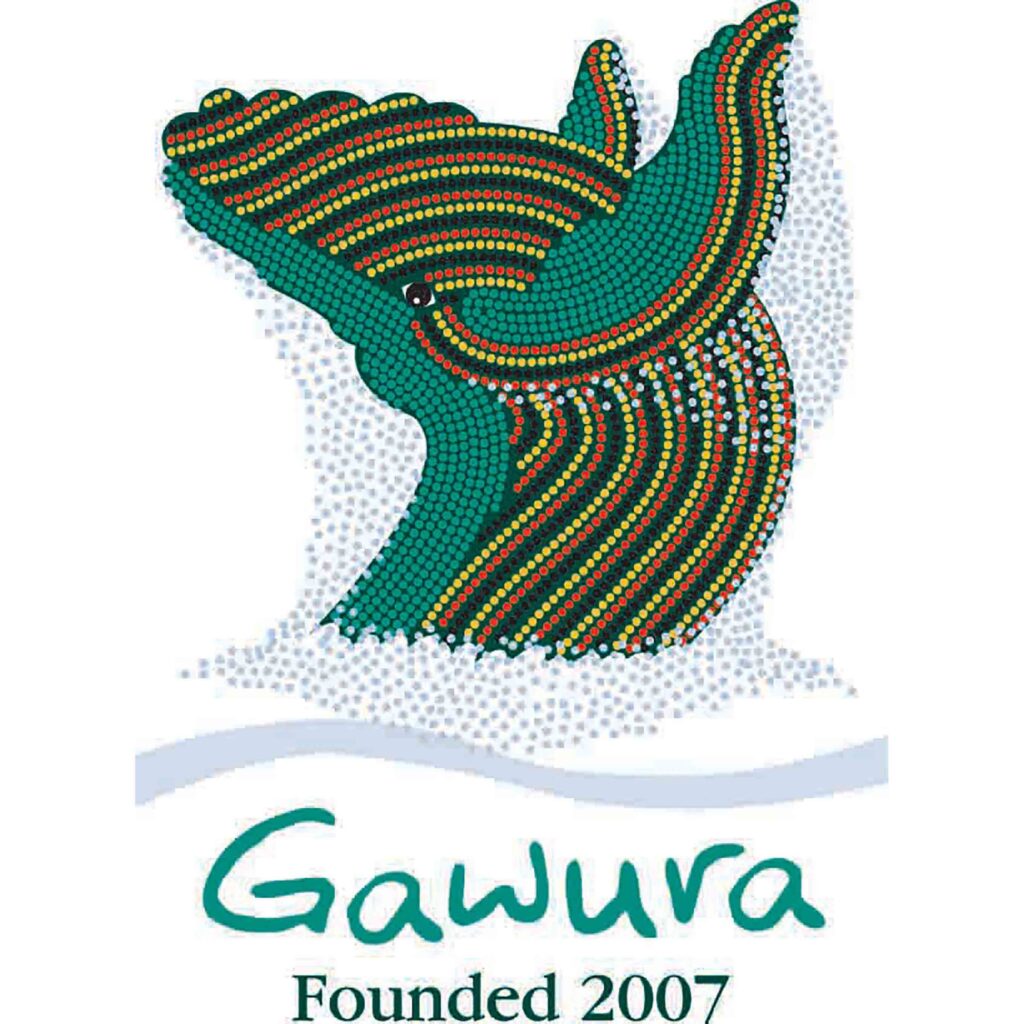
In First Nations knowledge, the whale represents strength and endurance. It moves through the vast oceans, guided by rhythm and season, symbolising journey, knowledge, connection and belonging.
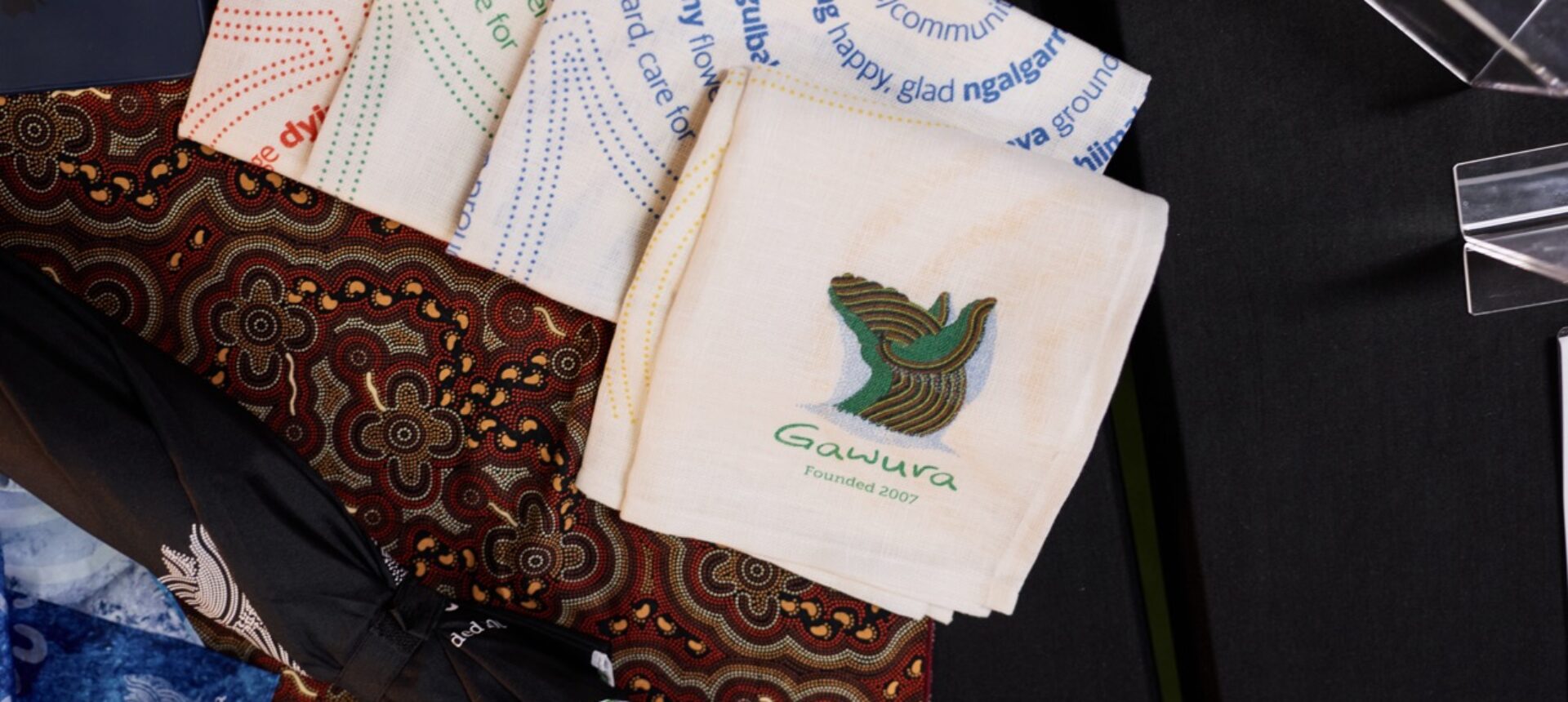
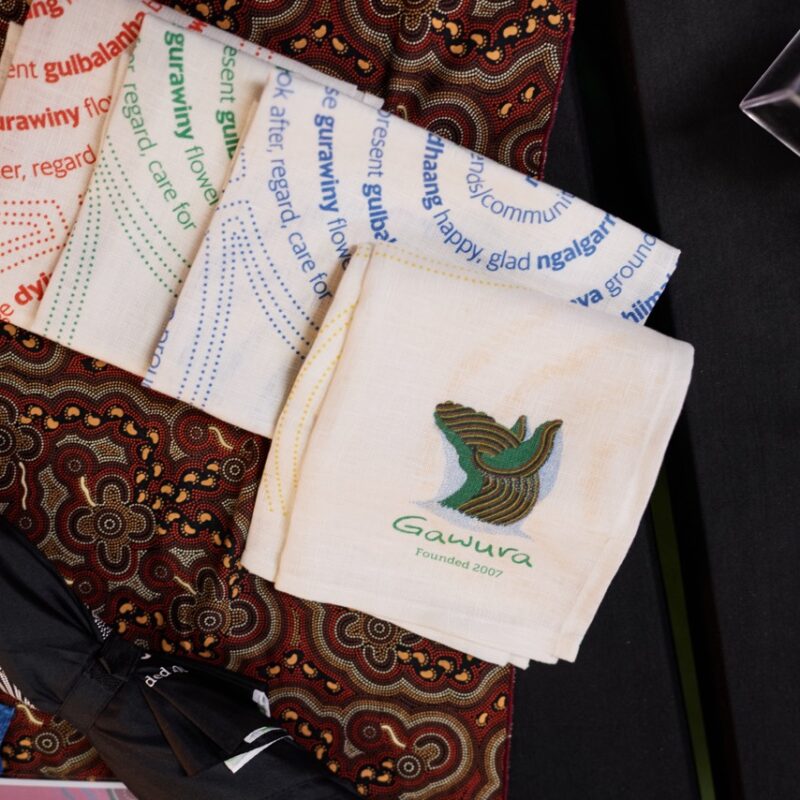
In the Gawura School logo, created by Indigenous artist Colin Davis, the whale rises from the water, reflecting the care, hope and determination of those who brought the school to life, and their vision for a place where young First Nations people could grow strong and confident in who they are.
As both messenger and guide, the whale reflects the journey of each child at Gawura School – arriving, being held in a community that knows and values them, and gradually finding their own strength, voice and direction. It speaks to learning, and to stepping forward with confidence into broader opportunities.