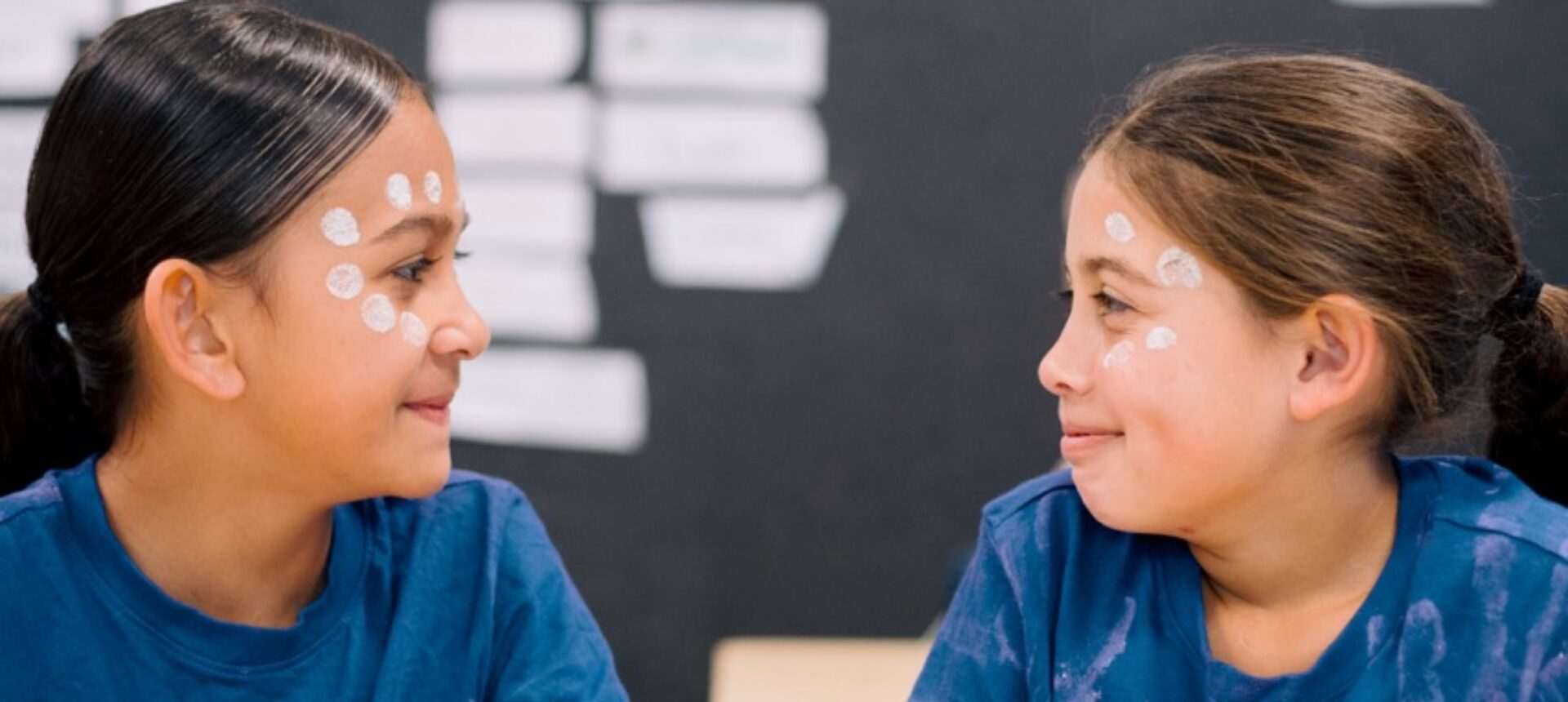
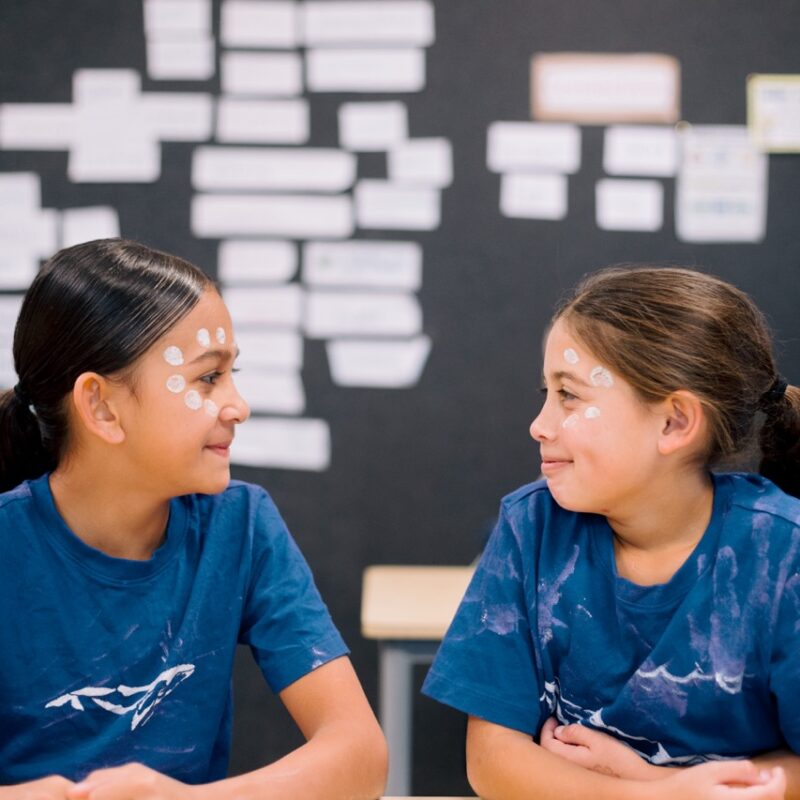
Our approach to student wellbeing is built on the premise that First Nations young people learn best in a culturally enriched environment, supported by a close and interconnected community. Students are supported not just academically, but emotionally and socially, ensuring they can show up ready to learn and grow.
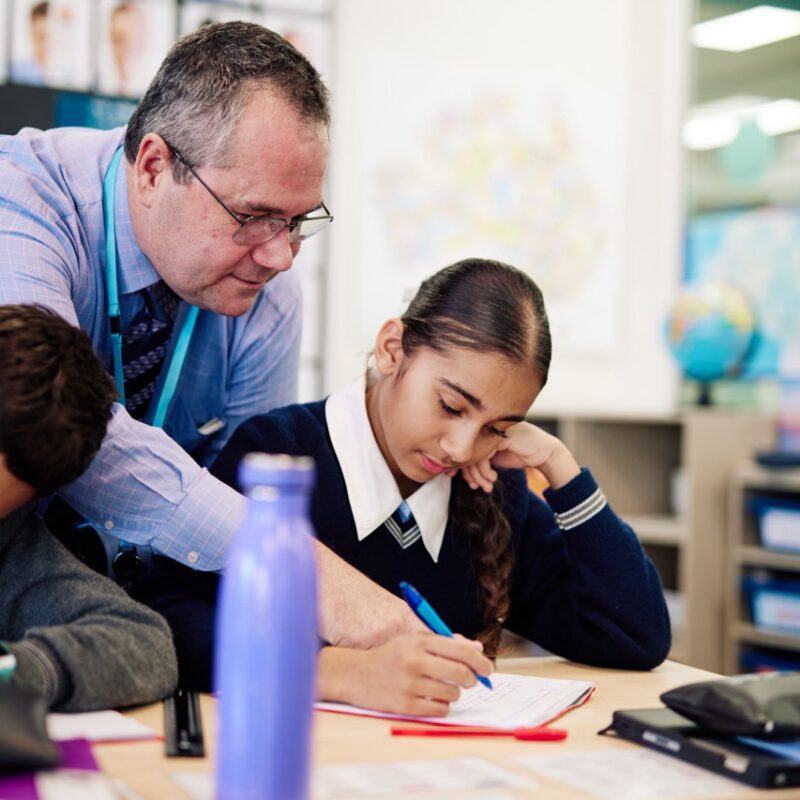
Wellbeing support at Gawura School can look like nutritional lunches, breakfasts, a homework support session or a yarn with an Elder, or counsellor.
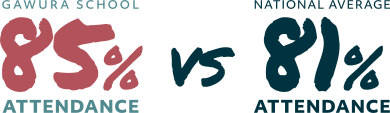
With practical everyday care, and the right support at the right time, students are not only learning, but they are also growing in confidence, as demonstrated in what Gawura School students say in wellbeing survey scores that outperform national benchmarks.
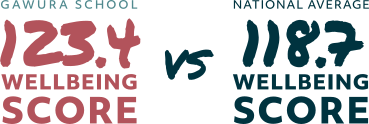
92% of Gawura students rate overall Social-Emotional Wellbeing in the highest ranges.
What our students say
92% vs 90%
“I like the kind of person I am”
100% vs 92.9%
“I get along well with my teacher”
96% vs 86%
“My classmates like me”
Source:
ACER Social-Emotional Wellbeing Survey 2025
ACARA National Report on Schooling in Australia: Student Attendance
Yindyamarra
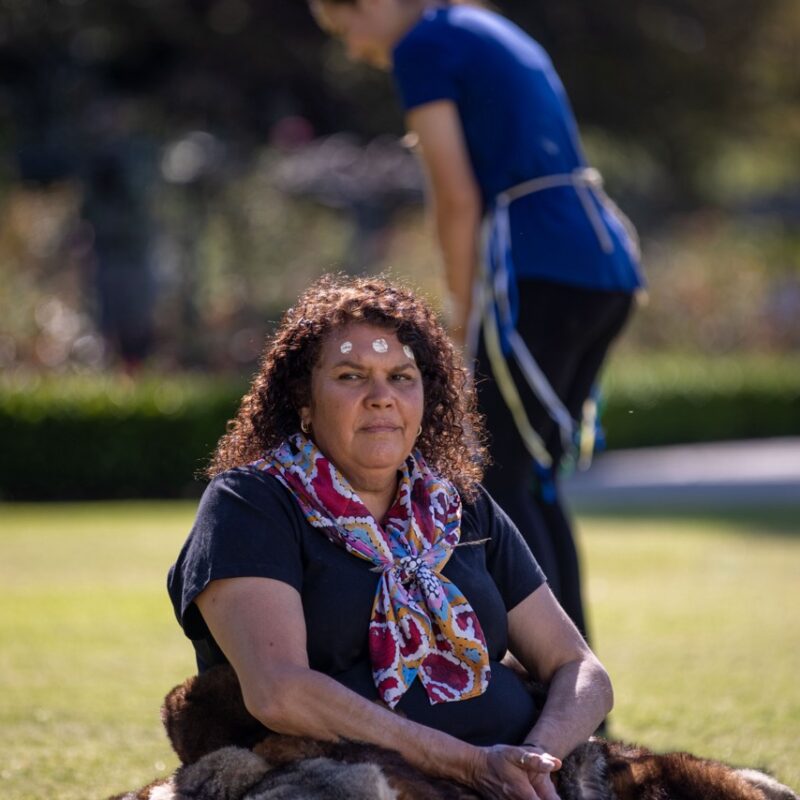
We are guided by the Wiradjuri concept of Yindyamarra, introduced to us by Aunty Leanna Carr, a proud Wiradjuri woman, and our previous Elder-in-Residence. This shapes our commitment to listening, honouring identity, and fostering strong, respectful relationships across our school community.
Yindyamarra can be understood as:
- Respect: for self, others and especially Elders
- Be gentle: in our actions, our speech and our interactions
- Be polite: this shows our respect
- To do slowly: be thoughtful and careful, don’t rush in
- Honour: for others and especially your family
Ways of Knowing, Being and Doing
Programmes and initiatives at Gawura School are designed to help students thrive by valuing and considering wholistic and relational ways of knowing, being and doing.
For instance, each day in Gawura School begins with circle time, creating a space for students to connect, explore and discuss language and cultural perspectives and issues.
In addition, a focus on community involvement reflects a shared responsibility for a child’s wellbeing. This reflects a way of seeing the world where everyone has a shared cultural responsibility to their community to be looking after children. This perspective recognises that extended family, friends and community members all play an important role, stepping into the parenting space when needed.
A strengths-based approach
A strengths-based approach to wellbeing promotes resilience by affirming a positive view of individual First Nations cultural strengths.
This approach emphasises cultural knowledge sharing, storytelling, community orientation, social connectedness and adaptability, recognising these as important foundations for wellbeing and learning.
An emphasis on student voice also provides opportunities for students to lead, share their perspectives, and help shape their learning environment, fostering confidence, agency and a strong sense of belonging.
Trauma-informed approach
We take a trauma-informed approach to wellbeing by respecting the cultural aspects of wellbeing. This means considering the ongoing effects of colonisation on First Nations people, alongside intergenerational trauma.
It prioritises safe, empowering and wholistic care that fosters trust, respects cultural identity, and actively involves communities in healing. It values safety, connections and coping.
Safety is closely related to the quality of personal relationships; connections refer to responsive and reciprocal relationships that allow for healing; and coping comes through managing emotions, achieved by co-regulation with empathic caregivers which in turn leads to self-regulation.
Wider support
An early intervention approach to student development allows for additional support for students when needed, in order to ultimately improve educational outcomes.
This can include vision and hearing testing, speech therapy, dental checks, occupational therapy, so that any health issues can be addressed proactively and do not impact upon learning.