Students learn the NSW curriculum in a culturally enriching environment, guided by the wisdom of dedicated teachers, cultural mentors and Elders.
Curriculum content, teaching practices, language, expectations and relationships are intentionally shaped by First Nations ways of knowing, being, and doing, alongside a high expectations, high relationships approach that fosters respectful, supportive relationships between students, teachers, and mentors.
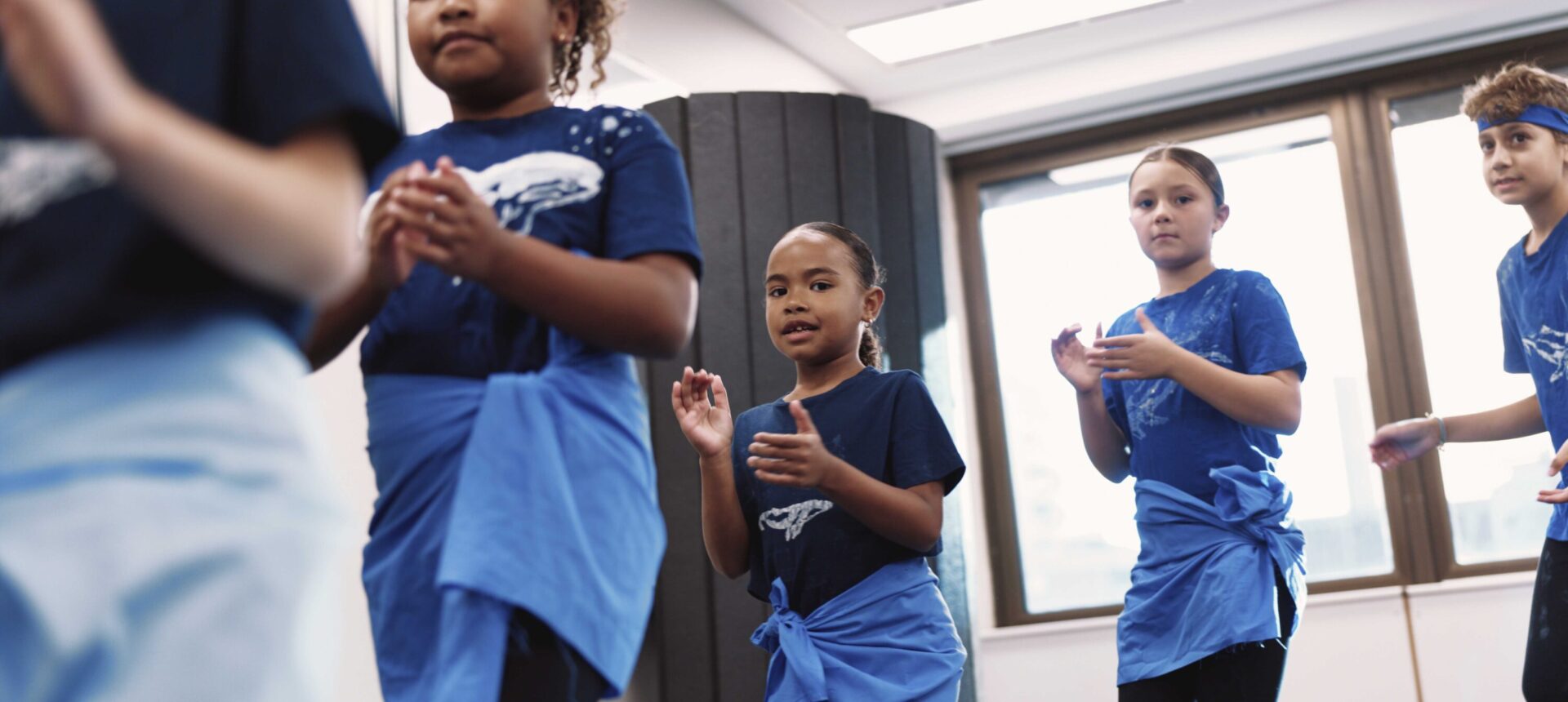
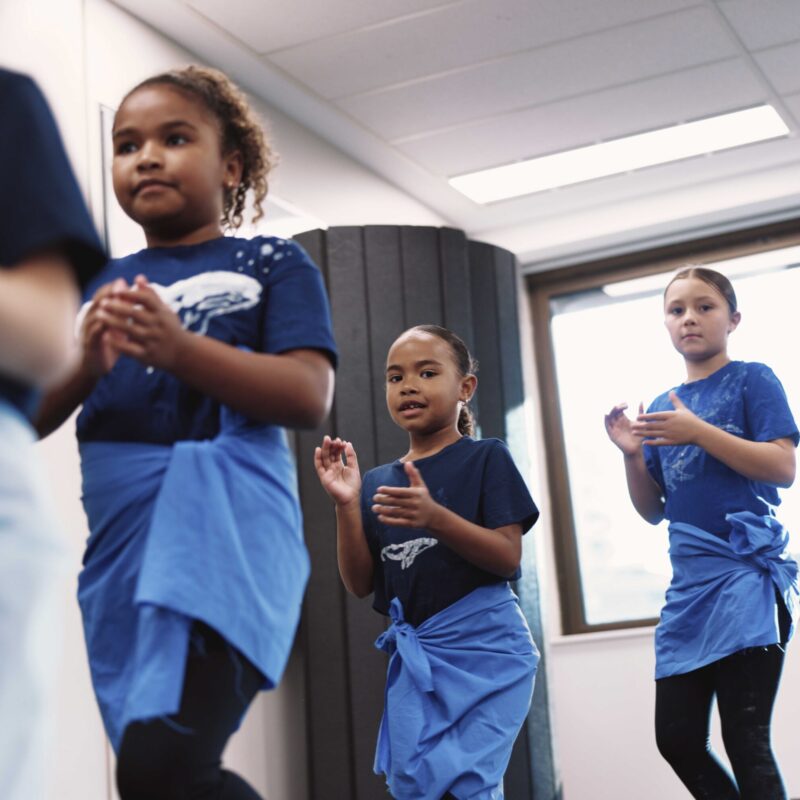
First Nations perspectives are integrated into curriculum and activities, including incursions, excursions, dance lessons, and shared lessons with the Junior School. Students learn from On Country Elders and mentors, and the knowledge and perspectives of parents and carers.
Curriculum – the best of both worlds
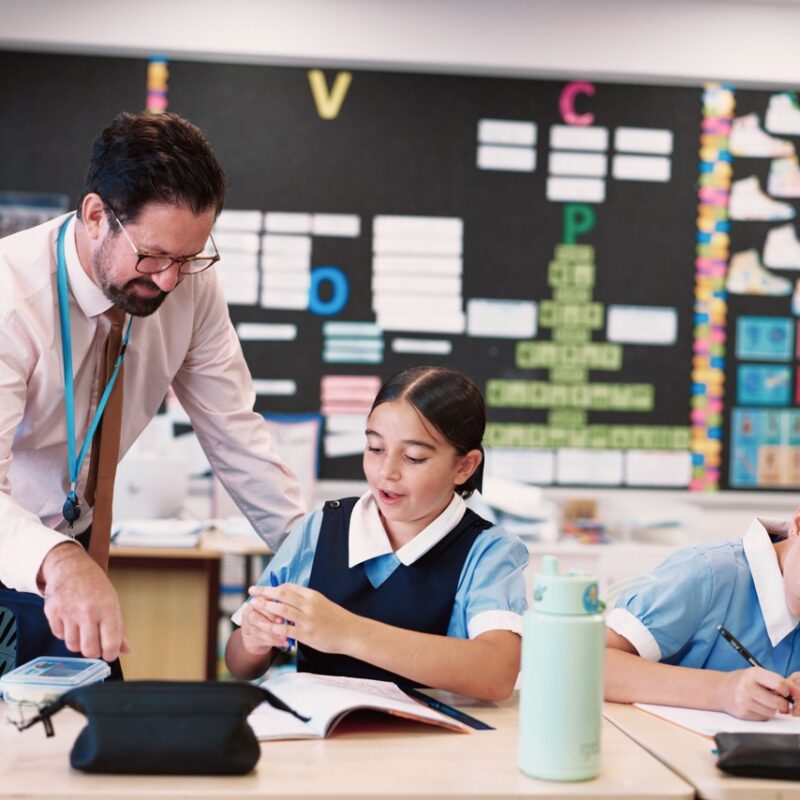
Every day, students at Gawura School receive intensive literacy and numeracy lessons and enjoy the broader learning opportunities of the NSW curriculum taught through the Junior School. Alongside literacy and numeracy, students learn Science, History, Geography, Creative Arts and Personal Development, Health and Physical Education (PDHPE) in their Junior School ‘buddy’ class.
Learning at Gawura School is designed to help students build confidence through solid academic foundations and a deepening connection to their First Nations culture. First Nations perspectives are thoughtfully included across curriculum and teaching programmes, so First Nations students can see their cultures, histories and experiences reflected and respected throughout their education. As part of this ongoing work, a content mapping project across both Schools is reviewing teaching programmes to identify where First Nations perspectives are already included, and where there are opportunities to strengthen this further.
This work supports commitments in the Schools’ joint Restoration Action Plan to ensure curriculum and teaching programmes continue to grow in culturally informed and respectful ways, and align with our goals of truth-telling, restoration and culturally informed learning.
Teachers are also supported to deepen their understanding of First Nations histories, cultures, languages and perspectives, so these can be included meaningfully and authentically in their teaching programmes. For example, when students learn about Australian history, teachers thoughtfully acknowledge the experiences, perspectives and ongoing impacts of colonisation on First Nations peoples, recognising the truth of dispossession, frontier violence, cultural suppression, and policies that harmed communities. Bringing sensitivity to the potential trauma that these histories may evoke and creating respectful learning environments where students feel supported, heard, and able to engage in important conversations critically, respectfully and safely.
The Junior School library also carefully curates resources and learning materials using the Australian Institute of Aboriginal and Torres Strait Islander Studies (AIATSIS) Guide to Selecting and Evaluating Educational Resources, to support our students and teachers with culturally appropriate and respectful resources that aid the inclusion of First Nations Histories and Cultures Cross-Curriculum Priority (Australian Curriculum, Assessment and Reporting Authority).
“Bridging worlds works to enhance cultural understanding for both First Nations students and staff as much as for St Andrew’s Cathedral School students and staff. The culturally enriched curriculum is preparing all our students to be more culturally responsive as they prepare for life beyond school.”
Rhonda Robson, Deputy Head of School (Primary), Head of Junior School
Expert and culturally responsive teachers
Gawura School is led by expert teachers known for their dedication to culturally responsive teaching who build deep, strong, trusting relationships, maintain high expectations and foster genuine partnerships with families and communities.
Teachers are committed to creating safe, respectful learning environments that honour Aboriginal and Torres Strait Islander cultures, histories, and knowledge systems.
Gawura School is committed to developing culturally responsive pedagogies and practices. All staff at Gawura School and St Andrew’s Cathedral School receive Cultural Awareness Training, and the Schools are embedding Aboriginal and Torres Strait Islander cultural awareness perspectives across the curriculum. National Days of significance are recognised, marking pivotal moments of resilience, resistance, acknowledgement and progress for First Nations peoples.
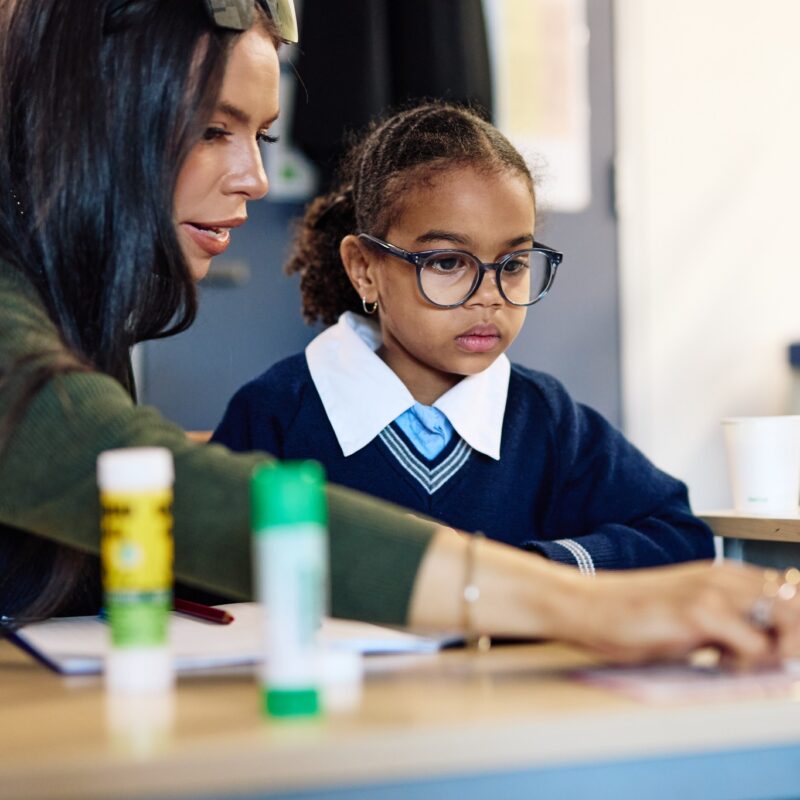
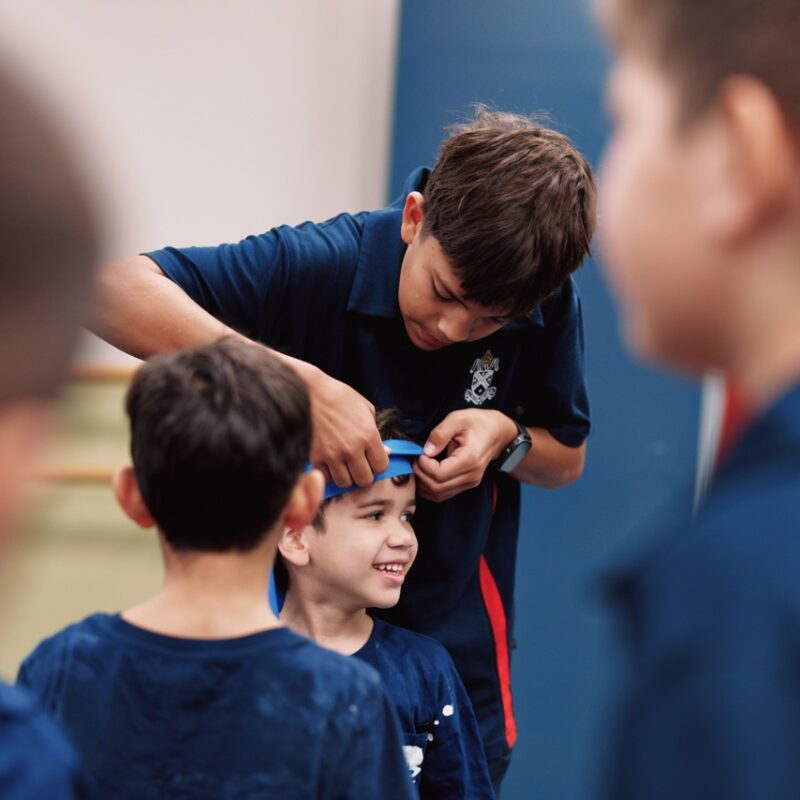
High Expectations Relationships
While acknowledging the importance of truth telling, our educational approach rejects deficit thinking. Gawura School’s central beliefs around the infinite worth and unique giftings of each child drives a desire that every student discovers their voice, and develops their individual strengths and passions.
We have high expectations of our students, combined with strong, supportive relationships, leading to high levels of attendance, retention and achievement. By viewing high expectations through a relational lens, teachers at Gawura School motivate students in ways that enhance belief in themselves as learners, fostering inclusive and supportive environments, strengthening connections with families and communities, and ultimately enhancing learning outcomes. High expectations also mean that Gawura School students enjoy all activities offered to any student at St Andrew’s Cathedral School’s Junior School.
Gawura School is introducing a High Expectation Relationships (H-ER) approach, adapted from the Stronger Smarter framework developed by Professor Chris Sarra. H-ER is a partnership between students, school, and families, grounded in high expectations and strong, respectful relationships.
When these relationships underpin all aspects of school life, teachers are better able to build meaningful connections with students, and partner closely with parents and carers to support learning. These relationships create inclusive and collaborative learning environments where students are supported, challenged and encouraged to aspire and succeed.
By creating environments where every student feels valued and respected for their cultural background, we unlock the potential for transformative learning experiences. Teachers who embrace this mindset understand that every student brings unique strengths and assets to the classroom, such as a rich cultural knowledge passed down through generations, or multilingual abilities, and varied life experiences. This approach fosters pride, confidence and self-esteem in First Nations students and inspires them to view education as a crucial element in their life journey.
Gawura School achieves high attendance, and strong wellbeing and engagement because students are nurtured by strong, respectful relationships.
Literacy and numeracy
One of the greatest strengths of Gawura School is the individual care and attention each child receives from their teachers to help build confidence and strong foundations in literacy and numeracy.
Small class sizes allow teachers to provide more individual support and targeted help for each child within a culturally supportive learning environment, where students feel encouraged and supported to succeed. Students begin in a very small Kindergarten class of 5-6 students before moving into stage-based composite classes from Year 1 onwards.
Teachers use proven teaching approaches to help students make progress in literacy and numeracy. Gawura School participates in the Waratah Project, which focuses on improving reading, writing and mathematics outcomes for First Nations students. Through this project staff have completed additional training and use specialised maths resources to support Gawura students.
In 2025, Gawura students achieved the best academic results in the School’s history, with Year 3 and Year 5 NAPLAN results above the State average across all domains.
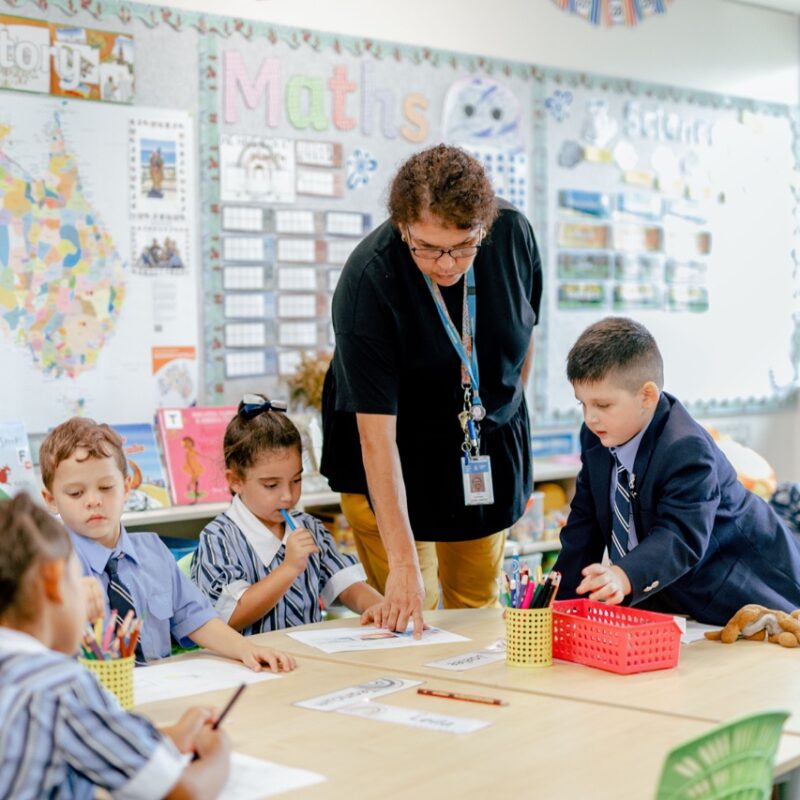
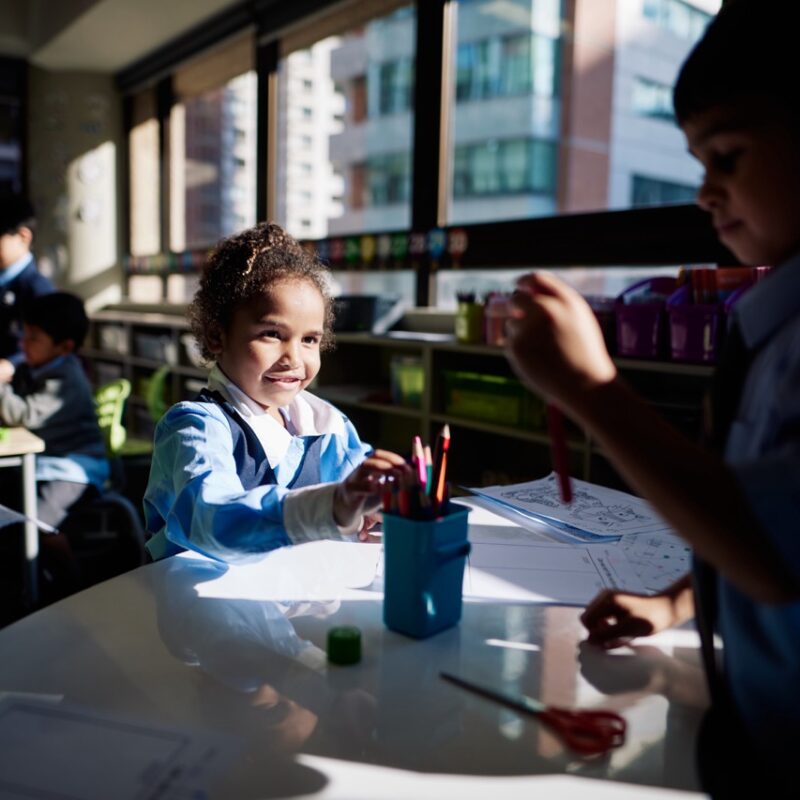
Reading programme
Strong foundational reading skills are essential and support academic success, confidence, and cultural identity. Reading instruction reflects First Nations languages, stories, and perspectives.
Developing reading skills early helps promote equity and ensures students can succeed while maintaining strong connections to their culture and community. The Gawura School reading programme is run with the support of volunteers from local companies, and St Andrew’s Cathedral School parents, who contribute their time.
The programme runs every morning from 8am to 8.25am. Students are asked to read for 10 to 15 minutes with a volunteer when they arrive at school, before they go to the rooftop playground to play.
“The contribution of our reading volunteers has a proven and lasting impact on student learning. In 2025, Gawura students achieved our strongest ever NAPLAN results, performing well above the national average for First Nations students. Regular, consistent reading support from our volunteers is a key part of that success. The impact is immediate and visible. Many volunteers tell us that seeing students grow in confidence and ability makes this half‑hour each week one of the most rewarding parts of their routine.”
John Ralph, Head of Gawura School